
Journal
Turnkey or design-only: which one do you actually need?
Vishal Parmar6 min read
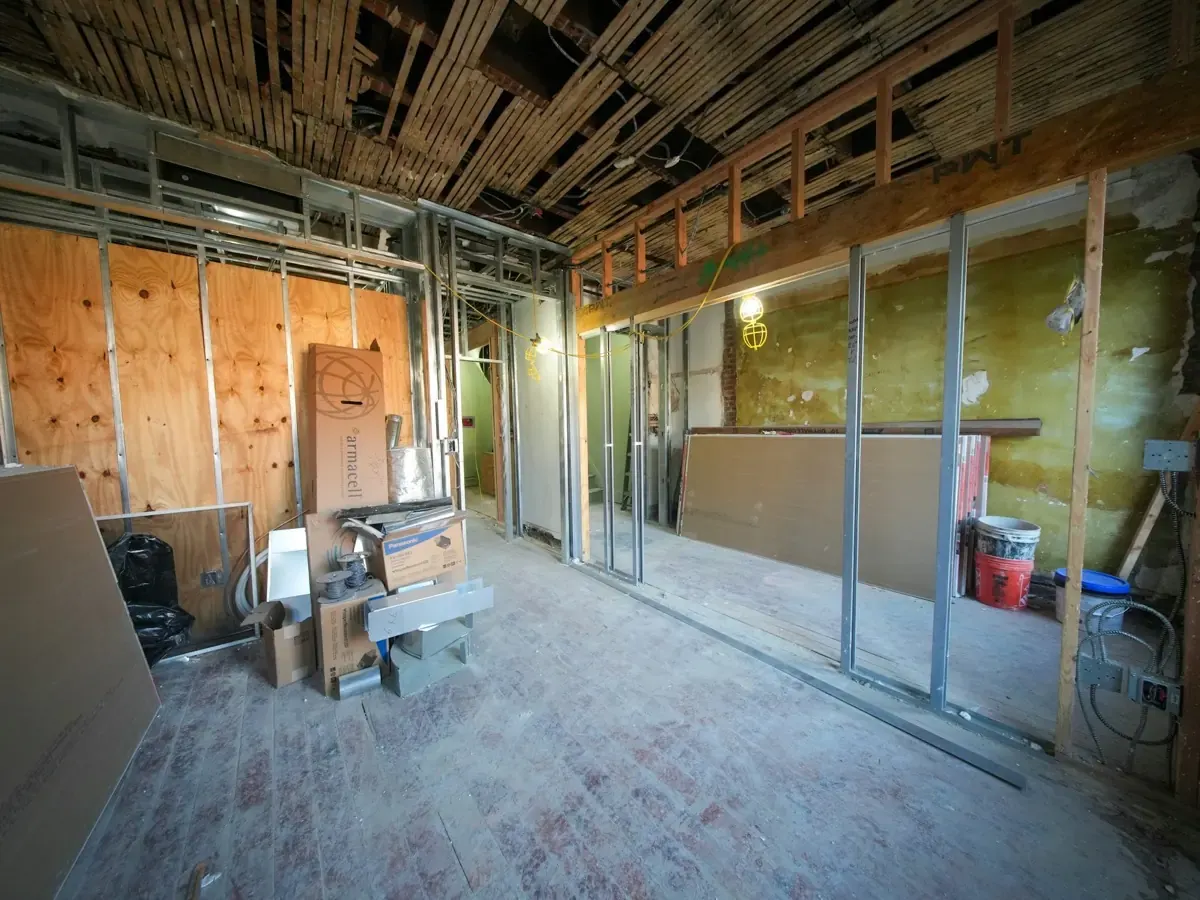
Most people arrive at this decision without knowing it is a decision. They ask for "an interior designer", get two quotes that are not comparable, and discover halfway through that one of them never included building anything.
Here is the difference, and how to tell which one your project needs.
What design-only actually gets you
You are buying thinking, drawn to the point where someone else can build it.
That normally means the layout, the material and finish scheme, the working drawings, the joinery details, the electrical and plumbing layouts, and the schedules that list every item. You then appoint a contractor, and the designer answers questions through the build.
What it does not include: buying materials, running trades, checking what arrives on site, programming the work, or fixing it when it is built wrong.
It is the right choice when you have a contractor you have worked with and trust, or your builder is already appointed, or you enjoy this and intend to be involved daily.
What turnkey actually gets you
One firm draws it, prices it, procures it, builds it and hands it over finished.
The word "turnkey" is used loosely, so test it with three questions:
- Who holds the contracts with the trades? If you do, it is not turnkey.
- Who is liable when a drawing and a built element disagree? In real turnkey, the firm is.
- Who is on site daily? If the answer is a contractor you appointed, you are managing a design-only job and calling it turnkey.
It is the right choice when you do not have a contractor, or the site is not where you live, or you have a date you cannot move, or you simply do not want to be the person adjudicating between a designer and a builder.
The gap where projects actually fail
Almost everything that goes wrong on an interior job happens in the space between the person who drew it and the person who built it.
A drawing says the socket sits 150mm off the joinery line. The electrician runs it where the conduit was easiest. The wardrobe arrives, the socket is behind it, and now there is a conversation about whose fault it is. On a design-only job that conversation involves you, because you hold both contracts. Multiply it by the few hundred decisions a fit-out contains.
This is not an argument that design-only is worse. It is an argument that someone has to own that gap, and you should know before you sign who that someone is. On a design-only project, it is you. Plenty of people take that on knowingly and do it well.
Cost: the honest comparison
Design-only looks cheaper because the fee is smaller. Whether it is cheaper depends on things that are not in either quote:
- What your contractor charges, and whether they price the drawings accurately or discover extras later.
- What rework costs. Rework is the single largest hidden cost in a fit-out, and it is concentrated exactly at the design-build seam.
- What your time is worth. A domestic fit-out generates decisions almost daily. On design-only, they come to you.
Turnkey concentrates cost into one number and one accountability. Design-only splits it into two smaller numbers and gives you the job of joining them. Neither is automatically better value.
What matters in both cases is that the cost plan is line-itemed, and that you know how a change gets priced after sign-off. We wrote separately about what drives interior cost in India if you are still building a budget.
A useful middle path
There is a third arrangement people rarely ask for: design-only, plus paid site supervision.
You appoint the contractor and hold that contract. The designer visits on an agreed rhythm, checks the work against the drawings, and issues instructions. You keep the commercial control of design-only and buy back some of the quality control of turnkey.
It works when the contractor is competent but unfamiliar with detailed drawings. It works badly when the contractor resents being checked, which you usually find out in week two.
How to choose, in four questions
Do you already have a contractor you trust with detailed joinery? Yes → design-only is viable. No → turnkey removes the hardest problem you have.
Will you be physically present during the build? No → turnkey, or design-only with supervision. An absent client on a design-only job is how schemes quietly get simplified.
Is your date immovable? Yes → turnkey. Programme slippage is easiest to control when one firm owns both the drawings and the trades.
Do you want one invoice or two relationships? There is no wrong answer, but answer it honestly before you start.
What we do
Studio Unfold works both ways. Plenty of clients take the drawings and build with someone they trust, and we stay available for site queries through the build. Others take the whole thing.
What does not change is the sequence: the layout is solved and signed off before any surface is chosen, and the drawings are complete before anyone cuts anything. You can read how a project runs stage by stage, or look at what each service includes.
Frequently asked
What does turnkey interior design mean?
One firm takes responsibility for the whole project: design, material procurement, trades, site management and handover. It delivers a finished space. You hold one contract rather than separate agreements with a designer and a contractor.
Is turnkey more expensive than design-only?
The fee is larger, because it covers building the space rather than only drawing it. Whether the total is higher depends on what your own contractor would have charged and how much rework the project generates. Compare total delivered cost, not fees.
Can I start design-only and switch to turnkey later?
Usually yes, and the natural switching point is after the working drawings are complete, since that is when execution pricing becomes real. Agree at the start what happens to the fee if you switch, so it is not a negotiation later.
Who is responsible if something is built wrong?
On turnkey, the firm that built it. On design-only, it depends on whether the drawing was wrong or the execution was, which is precisely the argument you are taking on when you hold both contracts. Get both scopes in writing.
Seen in our work
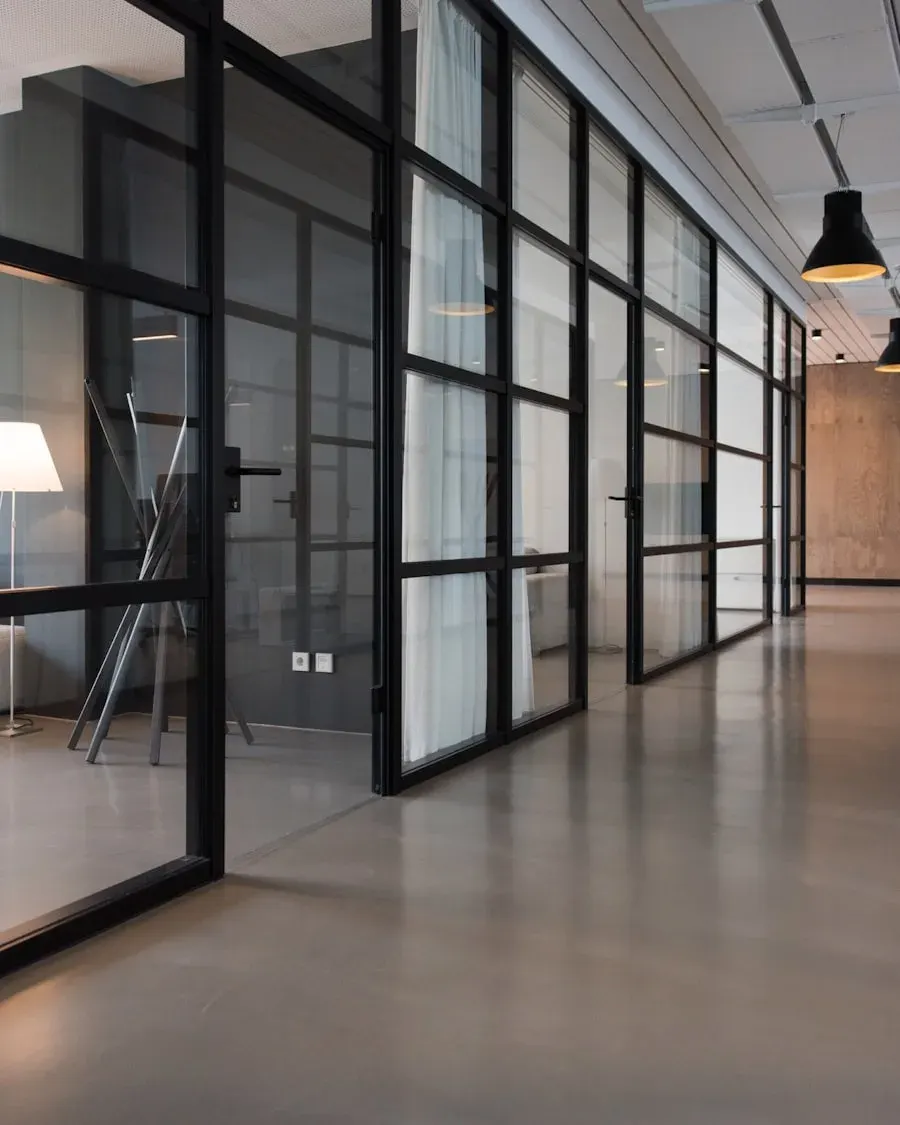 Foundry WorkplaceA studio floor for sixty people, planned around quiet rather than desks.See the project
Tell us about the space.
Send the plan if you have one, or just the address and what is bothering you about it. We reply within two working days.